Field-level checks, not record-level
Accuracy is measured per field, not per row. A record where 9 of 10 fields are right isn't a 90% pass — it's a record with a known bad field, flagged as such.
Most data arrives with no way to check it. Crawlify verifies at the field level, then ships the proof with the record: the source URL you can open, the timestamp it was captured, and the verifier ID that checked it. Our standard is 99.5% field-level accuracy. It's the only published field-level accuracy standard in this category, and it's the layer everything else depends on.
Verified Record
Every field is verified at the source.
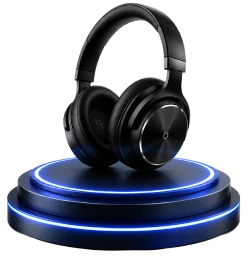
Acme Pro Headphones
example.com/products/acme-pro





Accuracy Claim
No EvidenceVerification Receipt
99.5% Field AccuracyAcme Pro Headphones
example.com/products/acme-pro
Positioning
Verification is different. It means each field on each record was checked, and the record carries the evidence with it: where it came from, when it was captured, what checked it, and how confident that check was. You don't have to trust the number on our website. You can open the source URL on any record we deliver and see for yourself.
Capability
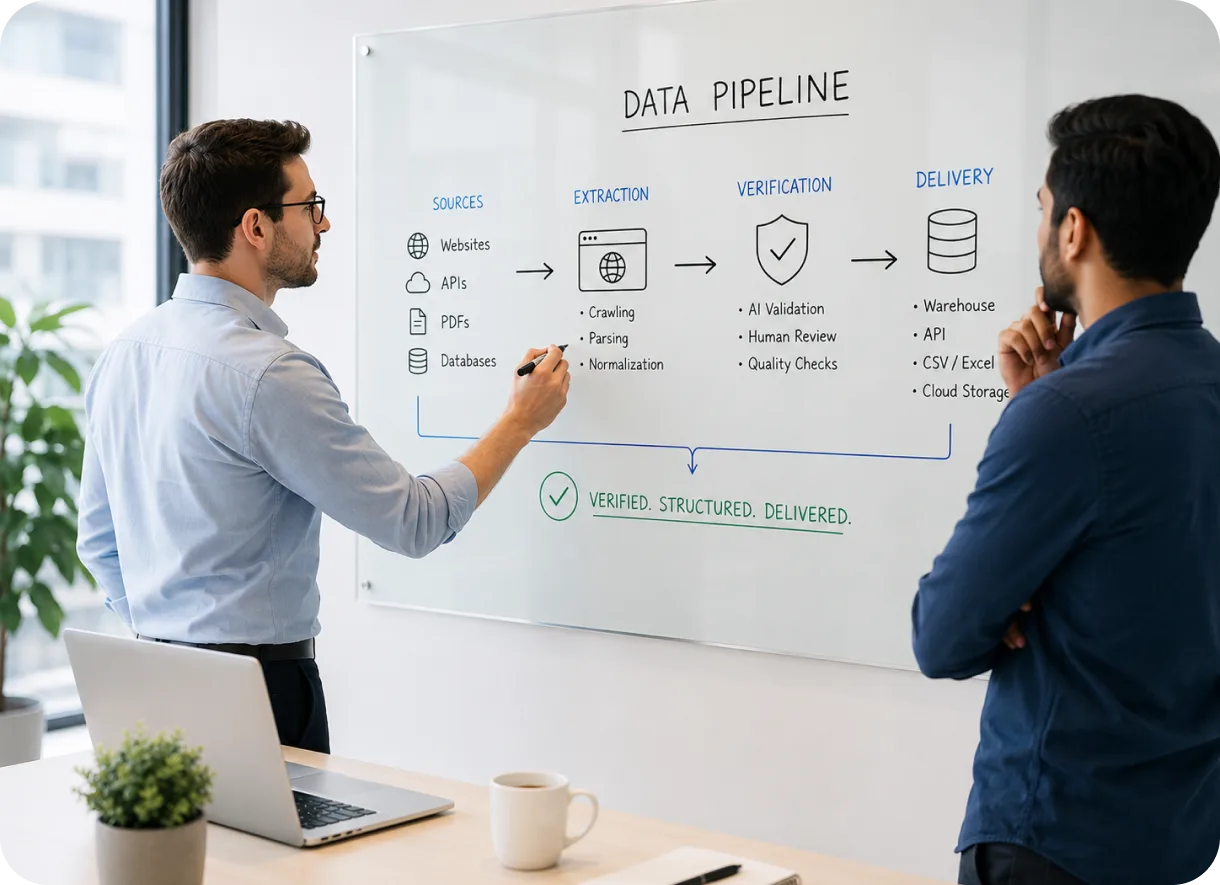
Verified only means something if you can say what was checked. Here's what happens to every record before it reaches you.
Accuracy is measured per field, not per row. A record where 9 of 10 fields are right isn't a 90% pass — it's a record with a known bad field, flagged as such.
When the value was true. Data without a timestamp is data of unknown age — a different problem from data that's wrong.
Where an automated check can't confirm a value, a person does. Verification today is tooling plus human confirmation, and the system absorbs more of it over time as it learns your sources.
Every record carries the URL it came from, so any field can be traced back and confirmed by you, not just by us.
Every automated classification carries a confidence score. High-confidence records pass through; low-confidence records route to human review rather than shipping unchecked.
Anything that can't be verified is marked unconfirmed. It is never filled in with a best guess or passed off as verified. A smaller trustworthy file beats a larger uncertain one.
Provenance
It couldn’t be corroborated, so it ships marked unconfirmed rather than guessed. That’s what verification means in practice: you always know which fields to trust and which to check.
Talk to us{
"record_id": "REC-552817",
"fields": {
"company_name": { "value": "Example Manufacturing Ltd.", "verified": true, "confidence": 0.998 },
"director_name": { "value": "A. Sharma", "verified": true, "confidence": 0.994 },
"registered_status": { "value": "active", "verified": true, "confidence": 0.999 },
"email": { "value": "unconfirmed", "verified": false, "reason": "catch_all_domain_not_corroborated" }
},
"field_accuracy": 0.995,
"captured_at": "2026-08-24T09:14:02Z",
"verifier_id": "hv-6712",
"verification_method": "automated_checks_plus_human_confirmation",
"source_url": "https://example-registry.gov/company/8841027"
}How It Works

You bring the sources and the target schema. We confirm what's public, what's feasible, and the cadence.
Project-based verified pulls into your stack.




As volume and cadence grow, one-time pulls become continuous feeds. Projects first, feeds as you scale.
Fit
Three honest alternatives: take the raw feed as-is, buy a big enrichment database, or check it yourself.
| Stage | Raw scraped dataas-delivered feed | Data enrichment toolsZoomInfo, Apollo, Clearbit | In-house QAyour own team checks | Crawlify |
|---|---|---|---|---|
| Database breadth / coverage | Varies | core strength — hundreds of millions of records | ||
| Field-level accuracy measurement | record-level, if at all | Partial — if you build it | 99.5% Published | |
| Source URL on every record | Partial | Partial | ||
| Capture timestamp per record | Partial | |||
| Unverifiable values flagged, not guessed | gaps often filled with inference | Depends on discipline | ||
| Audit-ready evidence trail | Partial | |||
| Model | Cheap, then expensive when wrong | Per-seat / per-credit subscription | Your team's hours | Managed, scoped to sources and volume |
Case Study
Crawlify powers the data pipeline behind ScholarMeet. What would have taken our team weeks of manual work now runs continuously with verified accuracy.
www.scholarmeet.com
Read Full Case Study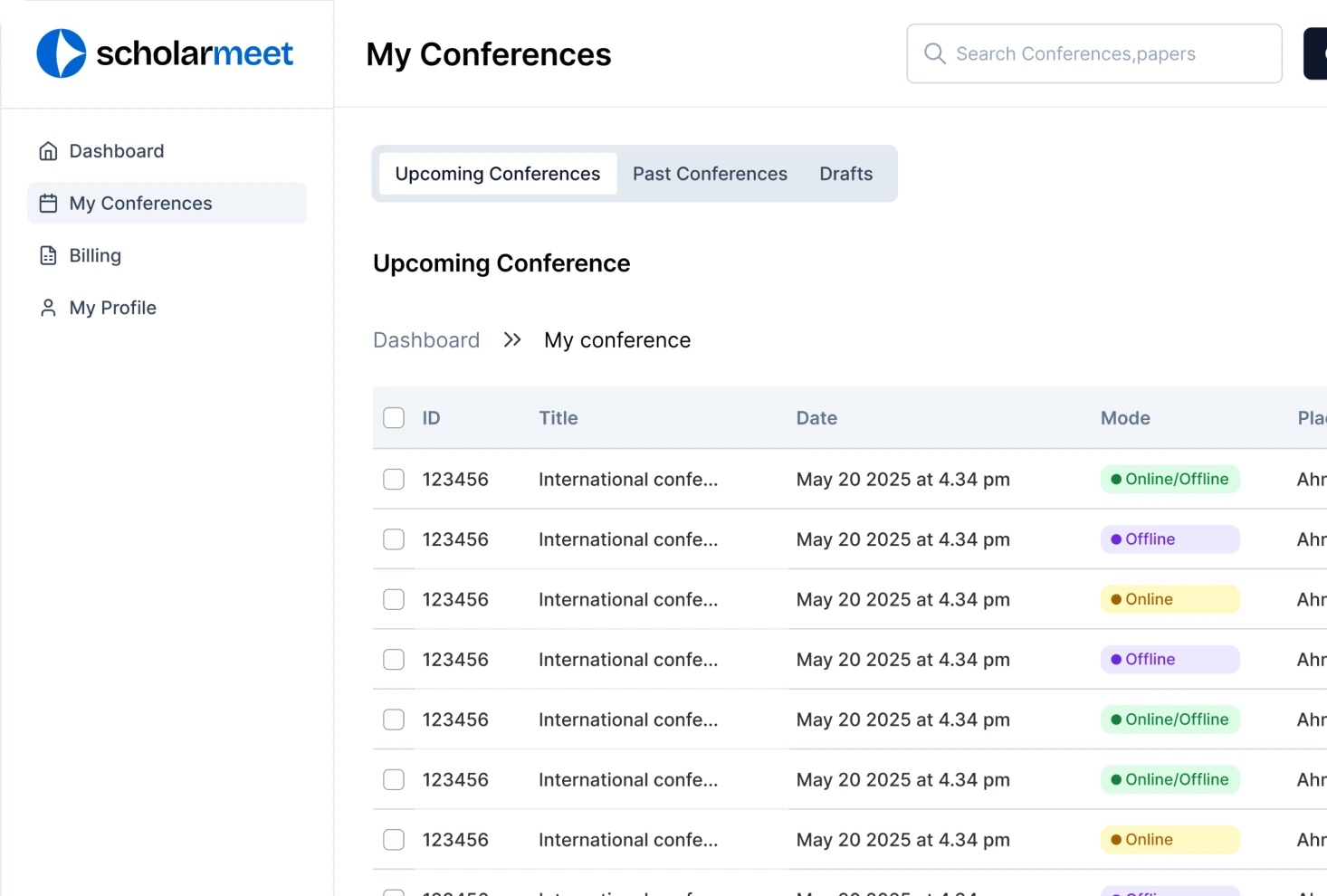
Use cases

Compliance
We work from public sources, at respectful request rates, in line with the rules that apply. Compliance isn’t an afterthought bolted on at the end — it’s part of how the data is collected and verified, which is also why it holds up when someone asks where it came from.
It means accuracy is measured per field, not per record. If a record has 10 fields and one is wrong, that's one failed field, not a 90% record. Most vendors that publish an accuracy number measure it at the record level, or don't say. Measuring at the field level is a harder standard, and it's the one we hold.

Tell us the sites and the schema, and we'll tell you what's feasible, what's verifiable, and how we'd deliver it. Scoping call, not a sales pitch.
Working with us on a vertical where verified extraction becomes a shared dataset? That's the data-partner track.